Whole-home water filtration sounds like one decision, but it is really three different treatments wearing one name. A sediment filter catches particles. Carbon treats chlorine and the tastes and odours that come with it, along with certain chemicals. A softener exchanges the calcium and magnesium that make water hard for sodium or potassium, which is a different process aimed at scale, not taste. A Mooresville home needs the system that matches its water, and the year-round calendar below shows what owning each part actually involves.
Matching starts with a water test or the local water quality report, not with a symptom alone. Cloudy water, chlorine taste, and white scale on fixtures are three different complaints pointing to three different stages, and a system that treats one does nothing for the others. That mismatch, rather than poor equipment, is the most common reason filtration disappoints.
What each stage treats, and what it leaves alone
| Stage | Treats | Does not treat | Typical upkeep |
|---|---|---|---|
| Sediment filter | Sand, rust, silt, and visible particles; protects everything downstream | Taste, odour, hardness, dissolved chemicals | Cartridge changes on a schedule set by water clarity and pressure drop |
| Carbon filter | Chlorine taste and odour, and a range of organic chemicals | Hardness minerals, most dissolved salts, sediment load by itself | Media or cartridge replacement before carbon is exhausted and taste returns |
| Water softener | Hardness: scale on fixtures, heaters, and appliances; soap scum | Chlorine taste, sediment, bacteria | Salt supply, periodic cleaning, and settings checks |
| Point-of-use filter at one tap | Drinking-water taste and specific contaminants at that outlet | Whole-house scale, bathing water, appliance protection | Frequent small cartridge changes at that tap |

The year with a whole-home system
| When | Task | Why it matters |
|---|---|---|
| Every month or two | Glance at sediment cartridge colour and house water pressure | A loaded cartridge announces itself as pressure loss across the whole house |
| Quarterly | Check softener salt level and break up any salt bridging | An empty or bridged brine tank means the softener silently stops softening |
| Twice a year | Taste check at an unfiltered comparison point; note any chlorine return | Returning taste is the practical signal that carbon capacity is spent |
| Annually | Replace cartridges on schedule, sanitize housings as directed, retest water | Testing confirms the system still matches the water, which can change |
| After any plumbing work or main break nearby | Inspect and likely change the sediment cartridge early | Disturbed mains send a pulse of sediment into the house lines |
Murawski Plumbing Inc lists whole-home water filtration among its Mooresville services. Whether a system is new or inherited with the house, the calendar is similar, and inherited systems deserve an early audit: many are running cartridges years past their useful life, providing plumbing-shaped reassurance and little treatment.
Deciding what your water actually needs
Start with the complaint. Scale crusting a water heater and spotting every fixture argues for softening. Chlorine taste that makes drinking water unpalatable argues for carbon. Grit in aerators and cloudy first-draw water argues for sediment filtration, and that stage belongs ahead of the others in any case, since sediment fouls carbon and softener resin alike. Homes on well water should test more broadly and more often than homes on a treated municipal supply, because well water quality is the homeowner's responsibility alone. The right system is the smallest combination that treats your tested water, maintained on the calendar above.
Questions to settle before choosing a system
Before committing to any combination of stages, settle four questions with your water test in hand. What, specifically, are you treating: particles, taste, hardness, or a named contaminant the test found. Where will the equipment sit, and is there a drain and power nearby for a softener. Who will change cartridges and check salt, and on what schedule, because an unmaintained system quietly becomes no system. And how will you verify it is working in a year: a follow-up test, a taste comparison, or a pressure check at the sediment stage. A system chosen against those answers, sized for the household's actual water use, will still be performing in five years. A system chosen on a sales claim alone usually disappoints within the first year, not because the equipment failed, but because it was never matched to the water.
Common questions
Does a softener purify drinking water?
No. Softening exchanges hardness minerals and changes how water behaves with soap and scale. It does not filter sediment, remove chlorine taste, or disinfect water.
How do I know a filter cartridge is spent?
For sediment, falling pressure and visible loading. For carbon, the return of chlorine taste and odour. Both are reasons to change on schedule rather than waiting for symptoms.
Can filtration remove the rotten-egg smell?
Sometimes, but that odour has several causes, including the water heater itself. Test the water and check whether the smell is in hot water only before choosing a treatment.
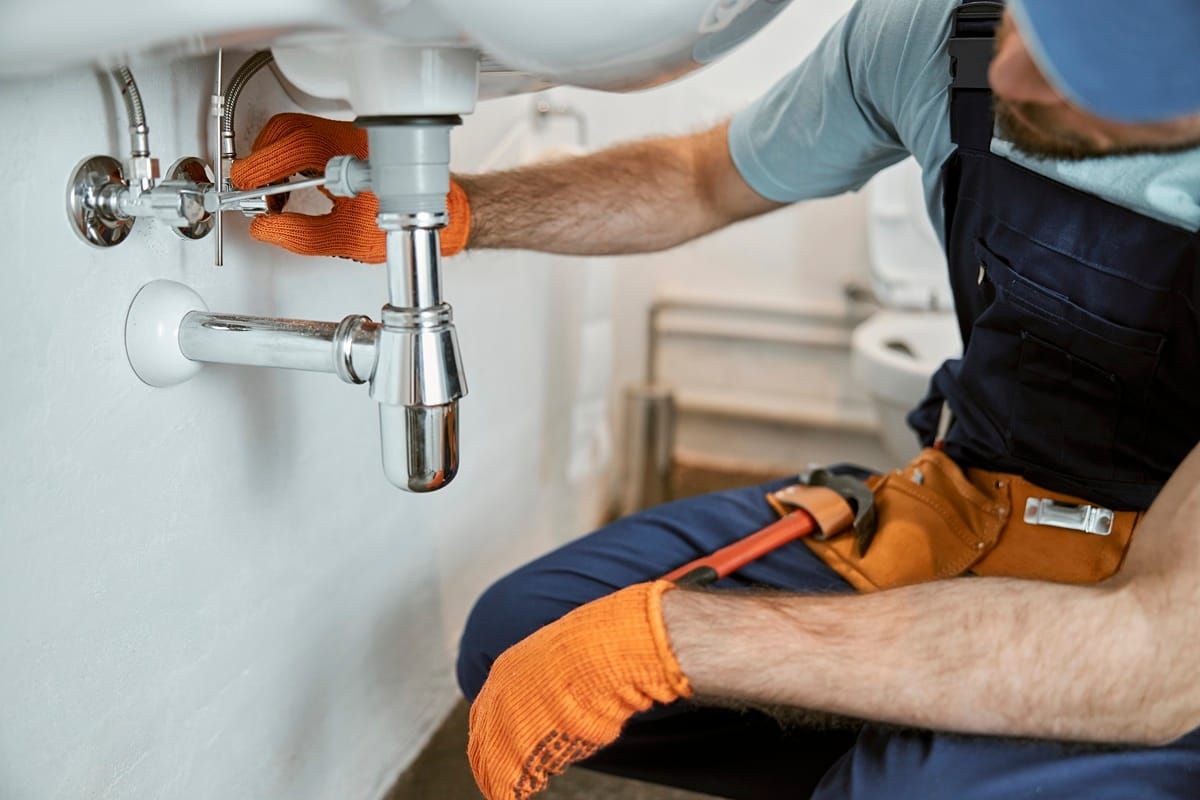
Photos in this guide are representative stock images.
← All guides from Murawski Plumbing Inc← Back to Murawski Plumbing Inc