Water heaters attract confident advice. Drain it every year, never drain it, turn it up to kill bacteria, turn it down to save the tank, wait until it leaks because they all last twenty years. Some of that advice is sound, some is half right, and some quietly shortens the life of the tank in a Mooresville home. Sorting the common claims is the fastest way to a maintenance routine that actually fits how these appliances age.
The basics underneath the myths are simple. A storage water heater holds water hot for years at a time. Sediment from the water supply settles on the bottom, the burner or elements work harder through it, and a replaceable metal rod inside the tank, the anode rod, corrodes on purpose to protect the tank lining. Lifespan, flushing, and that rod are where the myths cluster.
The claims, sorted
| Claim | Verdict | What is actually true |
|---|---|---|
| A water heater lasts about 6 to 12 years | Fact, as a range | Most storage tanks fall in that window. Maintenance, water quality, and usage push a given unit toward either end. |
| Flushing is a marketing extra | Myth | Draining a few gallons to clear sediment, typically annually, reduces rumbling, improves efficiency, and slows tank wear. Neglected sediment hardens and becomes hard to remove. |
| The anode rod never needs replacing | Myth | The rod is sacrificial by design. Once it is consumed, corrosion attacks the tank instead. Checking it every few years is standard practice. |
| Rumbling and popping mean the tank is about to burst | It depends | Those noises are usually steam bubbles forcing through sediment. It signals overdue flushing and extra wear, not imminent rupture, but it should not be ignored. |
| Cranking the temperature extends the tank's life | Myth | Hotter water accelerates corrosion and sediment hardening and raises scald risk. Around 120 degrees Fahrenheit is the common household setting balancing safety and function. |
| If it has never been flushed in a decade, flush it now | It depends | On a long-neglected unit the drain valve may clog or fail to reseal, and sediment may be structural to the problem. This is a case for a plumber's judgement first. |
| A leaking tank can usually be repaired | Mostly myth | Leaks from valves and fittings can be repaired. A tank leaking through its body has corroded through, and replacement is the fix. |
The maintenance that survives the myth check
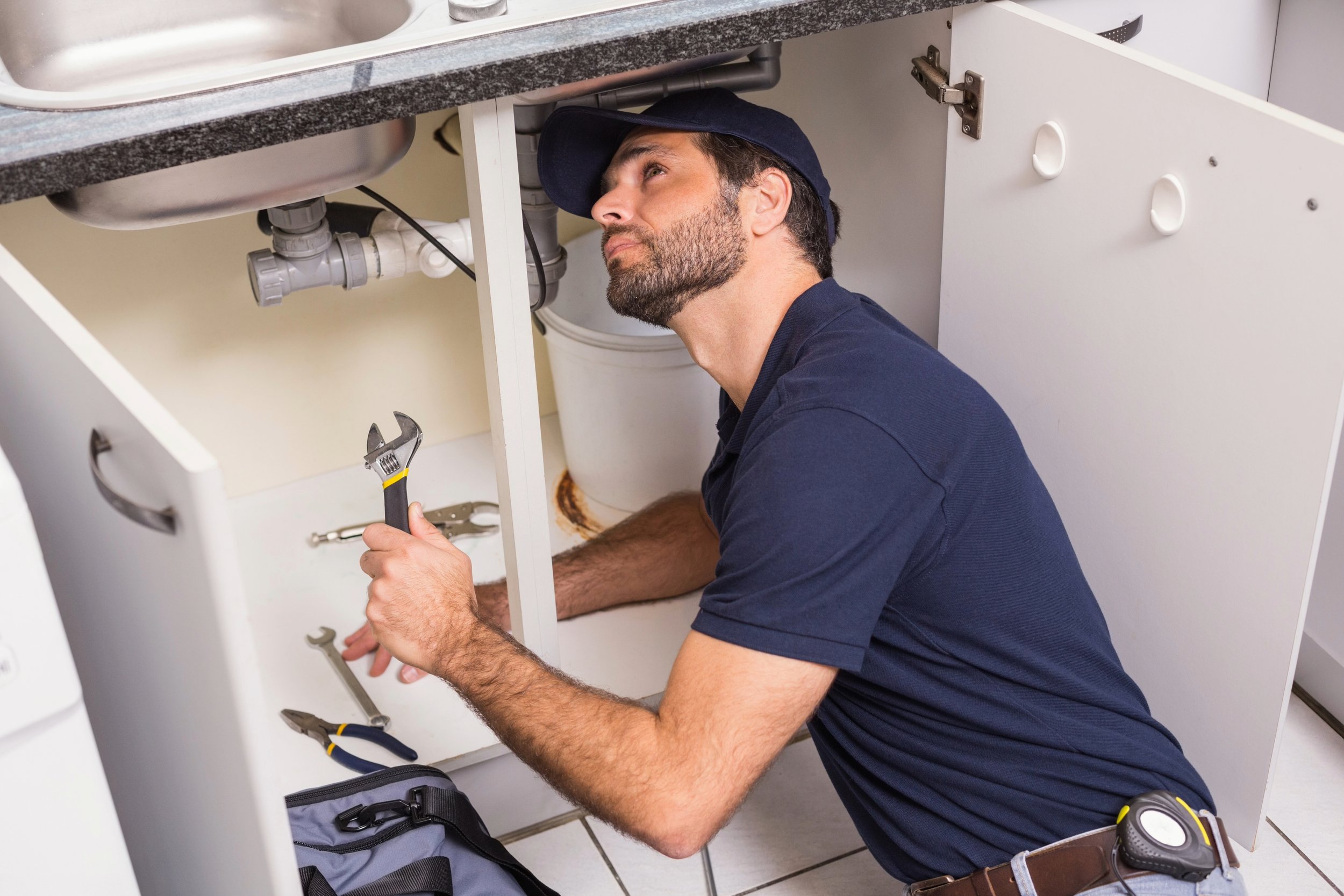
Three habits do most of the work. First, flush sediment on a regular schedule, annually for most homes, by draining water from the tank's drain valve until it runs clear, following the manufacturer's instructions for power, gas, and refill order so elements are never powered in an empty tank. Second, test the temperature and pressure relief valve occasionally by lifting its lever briefly; it should discharge and reseat, and a valve that does nothing or keeps dripping needs attention, since that valve is the tank's safety device. Third, have the anode rod inspected every few years and replaced when it is heavily corroded or reduced to a thin wire. In Mooresville, where sediment load varies by supply and by home, Murawski Plumbing Inc lists water heater installation among its services, and heater service visits commonly combine exactly these checks.
Reading the end of a tank's life
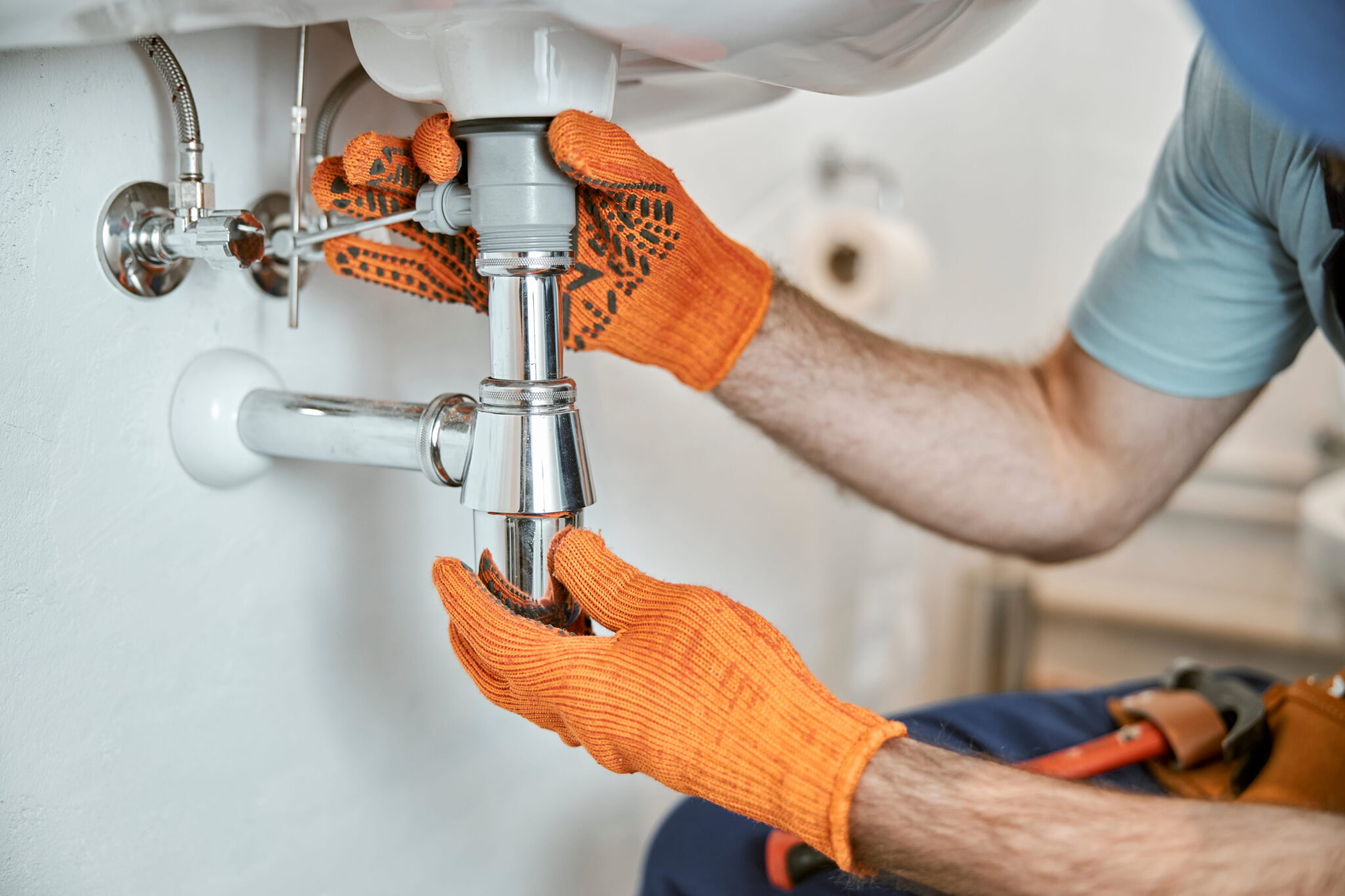
Age alone is not a verdict, but age plus symptoms is. Rusty-tinted hot water, moisture or rust at the base, a relief valve that weeps repeatedly, and hot water that runs out noticeably faster than it used to all point the same way. Planning a replacement on your schedule, with the space, fuel type, and capacity chosen properly, is a different experience from an emergency replacement after a tank empties itself onto the floor. Water heaters in garages and attics deserve a working drain pan and, ideally, a leak alarm, because location decides how expensive the failure day is.
Where the heater sits changes the stakes
The same tank behaves differently depending on its location. A heater in a garage on a concrete slab announces a leak harmlessly. The identical leak in an attic or an upstairs closet can damage ceilings, floors, and belongings before anyone notices, which is why location deserves a place in the maintenance conversation. Check that the drain pan under a raised unit is intact and that its drain line is clear, consider a simple water alarm with a sensor in the pan, and keep the area around any heater accessible rather than buried in storage. None of that extends the tank's life directly, but together with flushing and anode checks it decides whether the end of that life is a planned replacement or a household emergency.
Common questions
How often should I flush my water heater?
Once a year is the standard guidance for most storage tanks. Homes with visibly sediment-heavy water may benefit from a shorter interval.
What does the anode rod actually do?
It corrodes in place of the tank. The rod attracts the corrosive action in the water, and replacing it when spent is what lets the tank itself last.
My heater rumbles. Should I replace it?
Not on noise alone. Rumbling usually means sediment, so flushing is the first step. Age, rust, and leaks alongside the noise are what shift the answer toward replacement.
Photos in this guide are representative stock images.
← All guides from Murawski Plumbing Inc← Back to Murawski Plumbing Inc