A slow drain announces itself politely at first. The bathroom sink holds water while you brush your teeth. The shower pools around your ankles. In a Mooresville home the cause is usually ordinary: hair and soap at the bathroom, grease and food film in the kitchen, and occasionally something deeper, such as a venting fault or a main-line problem that shows up in more than one fixture at once. Choosing what to try, and in what order, is a decision worth making on evidence rather than habit.
The habit to reconsider first is reaching for chemical drain opener. Used once on a mild clog it may clear it. Used repeatedly, caustic and acidic openers can damage pipe finishes, soften some plastic pipe and joints, generate heat, and leave a trap full of caustic liquid waiting for whoever eventually has to open that drain mechanically. That pattern, a bottle every month on the same sink, is the one that tends to cost more later.
Choose by symptom, not by product
| What you see | Likely cause | Try first | Call a pro when |
|---|---|---|---|
| One bathroom sink drains slowly, tub is fine | Hair and soap mat at the stopper or in the trap | Remove and clean the stopper; use a plastic hair tool; clear the trap if comfortable | It stays slow with the trap clean, suggesting a clog deeper in the branch line |
| Shower or tub slow, gurgling elsewhere | Hair deeper in the line, or venting trouble | Remove the drain cover and extract the hair clog; check for a vent-related pattern | Gurgling in other fixtures, or the clog returns within days |
| Kitchen sink slow, greasy film, worse after disposal use | Grease and food buildup narrowing the pipe | Hot water flush and mechanical clearing; stop grease at the source | Water backs up with the dishwasher running, or both basins back up together |
| Several drains slow at once, lowest drain backs up | Main line restriction, possibly roots or a collapsed section | Stop adding water; this is not a single-fixture problem | Immediately. Main-line problems need machine clearing and often a camera |
| Slow drain plus sewer smell indoors | Dry trap, vent fault, or a main-line issue | Run water in rarely used drains to refill traps | The smell persists with traps full, which points to venting or line defects |
The low-risk methods, in order
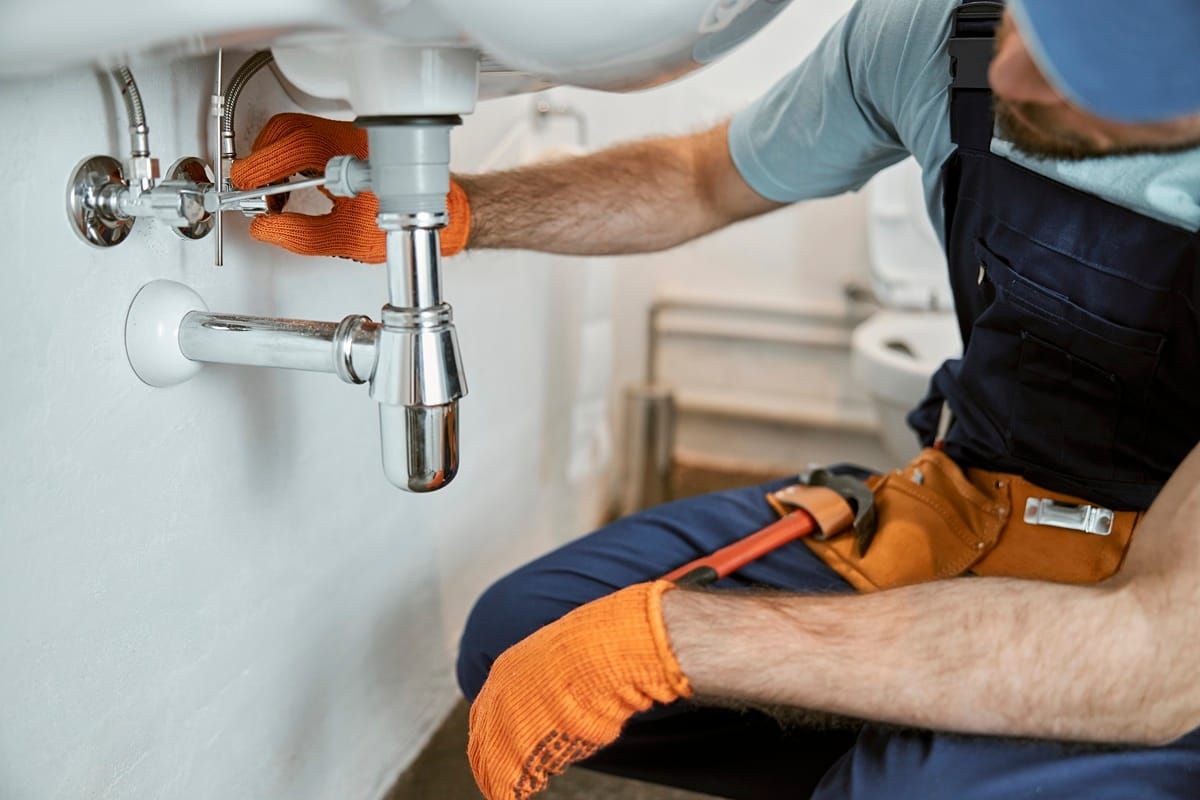
Start mechanical and shallow. Clean the stopper, which in a bathroom sink collects a surprising share of the clog. Use a simple plastic barbed tool or a small hand auger rather than a coat hanger, which can scratch pipe and push a clog deeper if used blindly. A plunger works better than its reputation if you seal the overflow opening and use short, firm strokes with water in the basin. Enzyme-based maintenance products, used as directed, can help keep organic film down between cleanings, though they will not open a fully blocked line. Boiling water helps grease film in a kitchen line but should be used cautiously and never poured into a drain already full of chemical opener.
What is actually down there
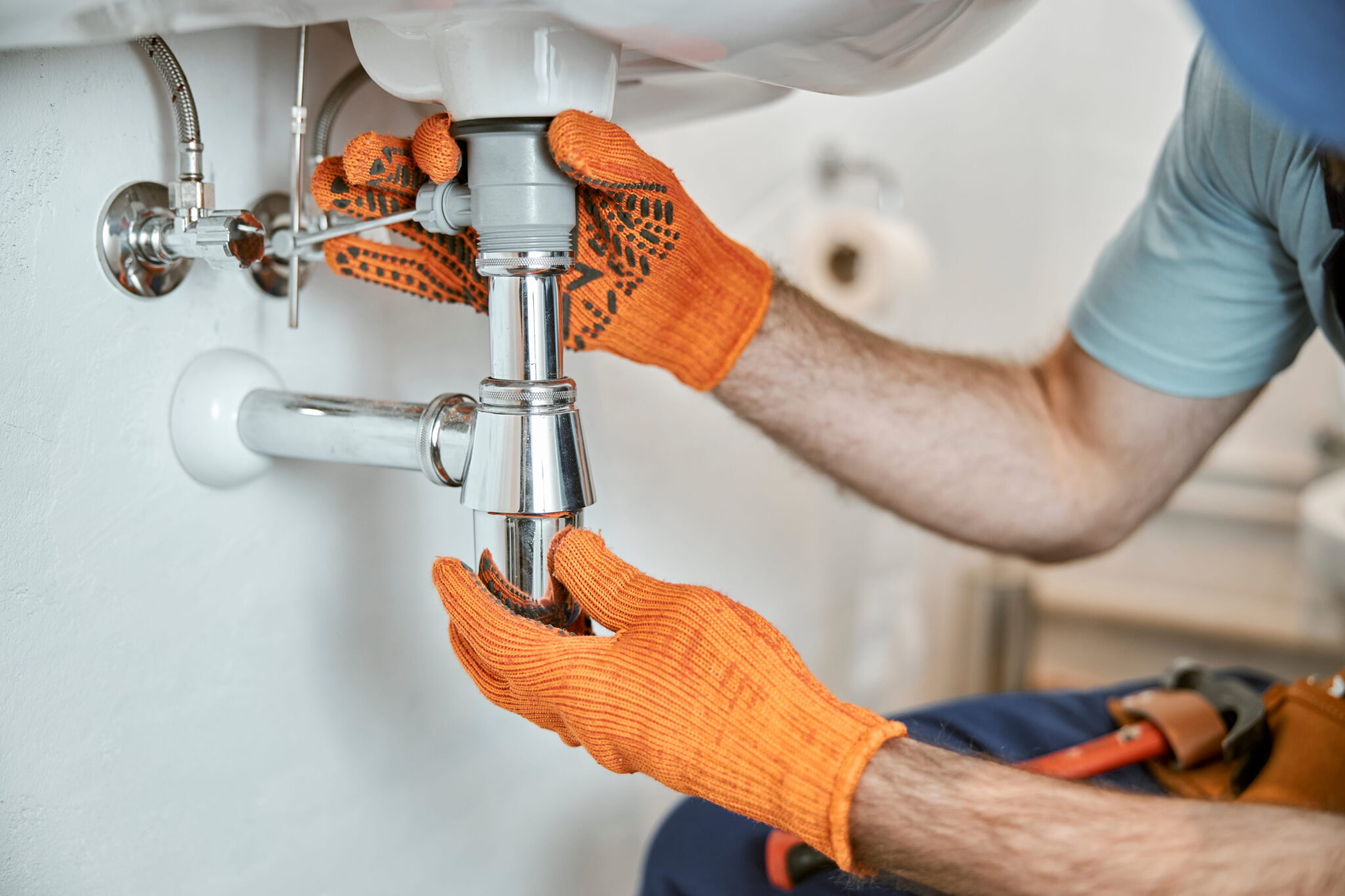
Bathroom drains collect hair bound with soap and toothpaste into a mat that narrows the pipe gradually, which is why they slow over weeks rather than stopping overnight. Kitchen lines collect grease that arrived liquid and set on the cooler pipe walls, layering until the opening is a fraction of its size. Vent pipes, which let air in so water can flow, cause a different signature: slow draining with glugging as the system gulps for air, sometimes in fixtures that share a vent stack. Murawski Plumbing Inc handles residential service calls in Mooresville, and drain calls that turn out to be venting or main-line faults are exactly why the symptom table matters: the fix lives in a different part of the house than the slow sink suggests.
Prevention that actually matches the causes
Once a drain is clear, keeping it clear is mostly about intercepting the two materials that built the clog. A simple mesh or pop-up strainer in a shower or tub catches hair at the surface, where it can be removed in seconds, instead of at the trap, where it cannot. In the kitchen, wiping grease from pans before washing, scraping plates into the trash, and running the disposal with generous cold water all reduce what reaches the pipe walls. Strainers need cleaning themselves, which is the small, visible price of the habit. Homes with several long-haired occupants or heavy kitchen use will still need periodic trap cleaning, but the interval stretches from weeks to many months when the interception habits hold.
Common questions
Why does the same drain keep clogging?
Usually because the cause remains: grease habits in a kitchen, a hair mat reforming at a rough pipe section, or a deeper partial blockage that cleaning the trap never reaches.
Are chemical openers ever the right choice?
They are a poor default. They can harm pipes with repeated use, complicate later mechanical work, and fail against the most common clogs, which respond better to removal.
When is a slow drain an emergency?
When multiple drains back up together, when the lowest fixture in the house overflows, or when sewage appears. Those point to the main line, and adding more water makes it worse.
Photos in this guide are representative stock images.
← All guides from Murawski Plumbing Inc← Back to Murawski Plumbing Inc