A garbage disposal is a small, forgiving machine with a short list of things it cannot forgive. Most Mooresville service calls for disposals trace back to the same handful of causes: grease that solidified downstream, fibrous or starchy food that wrapped or swelled, a bone or bottle cap that jammed the plate, or a tripped reset that nobody knew existed. Troubleshooting in the right order solves the simple cases in minutes and tells you quickly when the unit itself has failed.
Safety first, without exception. A disposal is never reached into with fingers, even with the switch off. Use tongs or pliers to retrieve objects, keep the power off while clearing a jam, and treat the reset and hex-socket steps below as the only hands-on work a homeowner needs to do.
Work the symptoms in order
- Dead silence when you flip the switch. Check the reset button on the underside of the unit first. It pops when the motor overheats or jams. Press it, run cold water, and try again. If it trips repeatedly, stop and treat it as a jam or a failing motor.
- Humming but not spinning. Power off. Look inside with a flashlight for a bone, cap, or stone, and remove it with tongs. Then turn the flywheel from below using an Allen wrench in the centre hex socket, working it back and forth until it moves freely.
- Grinding, rattling, or metal noise. Something hard is in the chamber, or the grinding plate and bearings are worn. Retrieve foreign objects; if the noise persists with the chamber empty, the unit is wearing out.
- Slow draining with the disposal running. The disposal itself may be fine and the problem may be a grease or food clog just downstream. Never use chemical drain opener in a disposal; it can damage seals and splash dangerously when the unit is later opened.
- Leaking. Note where. Leaks at the sink flange, at the dishwasher inlet, at the drain connection, and through the bottom of the housing each mean different things. Water coming through the bottom of the housing usually means the internal seals have failed and replacement is the realistic fix.
- Foul smell despite cleaning. Food film builds on the splash guard and chamber walls above the waterline. Scrub the underside of the guard flaps and grind ice cubes with citrus peel to scour the chamber.
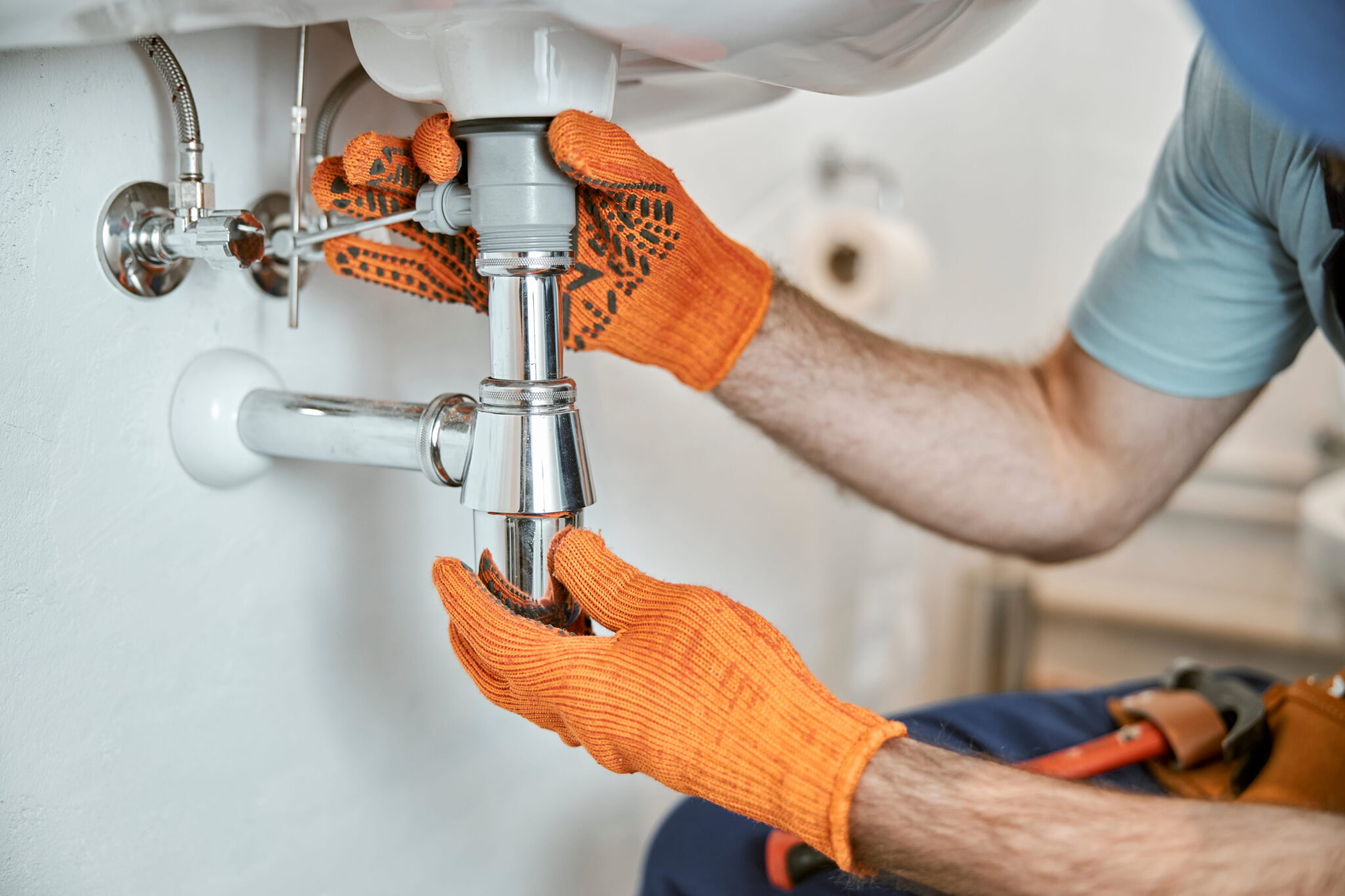
What the disposal cannot handle
Pour no cooking grease or oil into it. Grease passes the disposal as liquid and solidifies in cooler pipe downstream, building the clog that returns as a slow drain. Avoid fibrous foods such as celery, onion skins, and corn husks, which wrap the plate, and starchy foods such as pasta, rice, and potato peelings, which swell and form a paste. Bones are debated at every dinner table; small soft fragments are one thing, but hard bones can jam or damage the unit, and poultry and fruit pits belong in the trash or compost. Coffee grounds do not sharpen anything and accumulate as dense sediment. Run cold water, not hot, while grinding and for a short flush after, so ground food is carried away suspended rather than melting grease into the line.
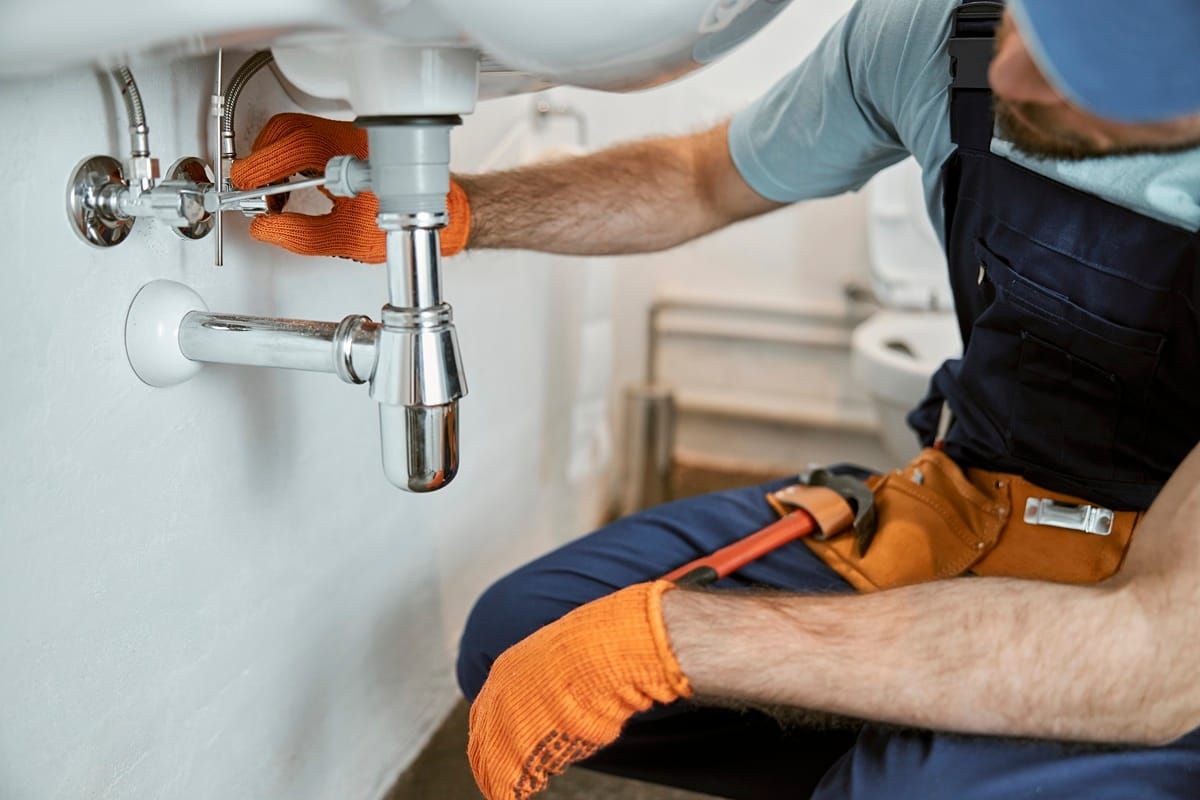
Repair or replace: the honest line
Murawski Plumbing Inc provides residential plumbing service in Mooresville, and disposal calls usually sort cleanly. Reset, unjam, and reconnect problems are repairs. A unit that leaks through its housing, trips its reset with an empty chamber, or has grown loud and weak over time is at the end of its service life, and money spent coaxing it further is usually wasted. Age matters here as condition does: a well-kept disposal commonly serves for many years, but corrosion in the chamber and worn seals do not reverse. If you are replacing, matching the mounting system already under the sink can simplify the job considerably.
Keeping the drain beyond the disposal healthy
The disposal gets the blame for many kitchen clogs that actually live a few feet downstream, where ground food, grease film, and soap residue narrow the pipe over months. You can slow that process with habits that cost nothing: scrape plates into the trash before rinsing, wipe greasy pans with a paper towel before washing, and run plenty of cold water whenever the disposal runs so ground material is carried well past the trap. If the sink drains slowly even with the disposal chamber empty and the trap clean, the restriction is deeper in the line, and repeated plunging or chemical products will not change it. That is the point where a proper drain clearing, rather than another disposal remedy, is the honest next step.
Common questions
Where is the reset button?
On the underside of most units, a small red or black button near the centre. Press it after clearing any jam and with the switch off, then test with cold water running.
Can I use drain cleaner in a disposal?
No. Chemical openers can damage disposal seals, sit in the chamber, and splash when the unit is serviced. A downstream clog needs mechanical clearing instead.
Why does my disposal smell even after grinding citrus?
The smell usually lives on the underside of the rubber splash guard, which grinding never touches. Lift each flap and scrub it directly.
Photos in this guide are representative stock images.
← All guides from Murawski Plumbing Inc← Back to Murawski Plumbing Inc