Mooresville winters are mild until they are not. A Piedmont cold snap can drop temperatures well below freezing for several nights in a row, and that is enough to freeze pipes in crawlspaces, garages, and exterior walls, especially in homes built assuming the cold would not last. Frozen pipe prevention is mostly cheap, boring work done before the snap, and the options are worth comparing because they protect different pipes in different ways.
A pipe freezes when the water inside it loses heat until ice forms and expands. The break often happens not at the visible ice plug but where pressure builds between the plug and a closed faucet. That is why a pipe can seem fine during the freeze and flood the house during the thaw, and why prevention and early response both matter.
The prevention options compared
| Method | Protects best | Limits | Effort |
|---|---|---|---|
| Foam pipe insulation | Exposed pipes in crawlspaces, garages, and attics | Slows freezing, does not stop it in a long hard freeze; gaps at elbows leak heat | Low; sleeves cut and fitted in an afternoon |
| Electric heat tape with insulation | Short, highly exposed runs and mobile-home style lines | Needs power and correct installation; damaged tape is a hazard, not a help | Moderate; follow the product instructions exactly |
| Sealing air leaks and insulating walls | Pipes in exterior walls, the highest-risk location | Harder to retrofit; best done during other renovation work | Higher, but protects every winter without attention |
| Letting faucets drip in a freeze | Specific lines fed through cold areas on the coldest nights | Only helps while running; a slow drip, roughly a pencil-thin stream, is the usual guidance | Very low; remember to do it before bed |
| Draining and shutting off exterior lines | Hose bibs, irrigation, and outdoor showers | Protects only those lines; interior pipes still exposed | Low; disconnect hoses in fall so bibs can drain |
| Keeping heat on and cabinets open | Kitchen and bath pipes on exterior walls during a snap | Costs heating energy; open cabinets help only if room heat reaches the pipes | Very low; keep the thermostat consistent overnight |
The cold-snap routine, in order
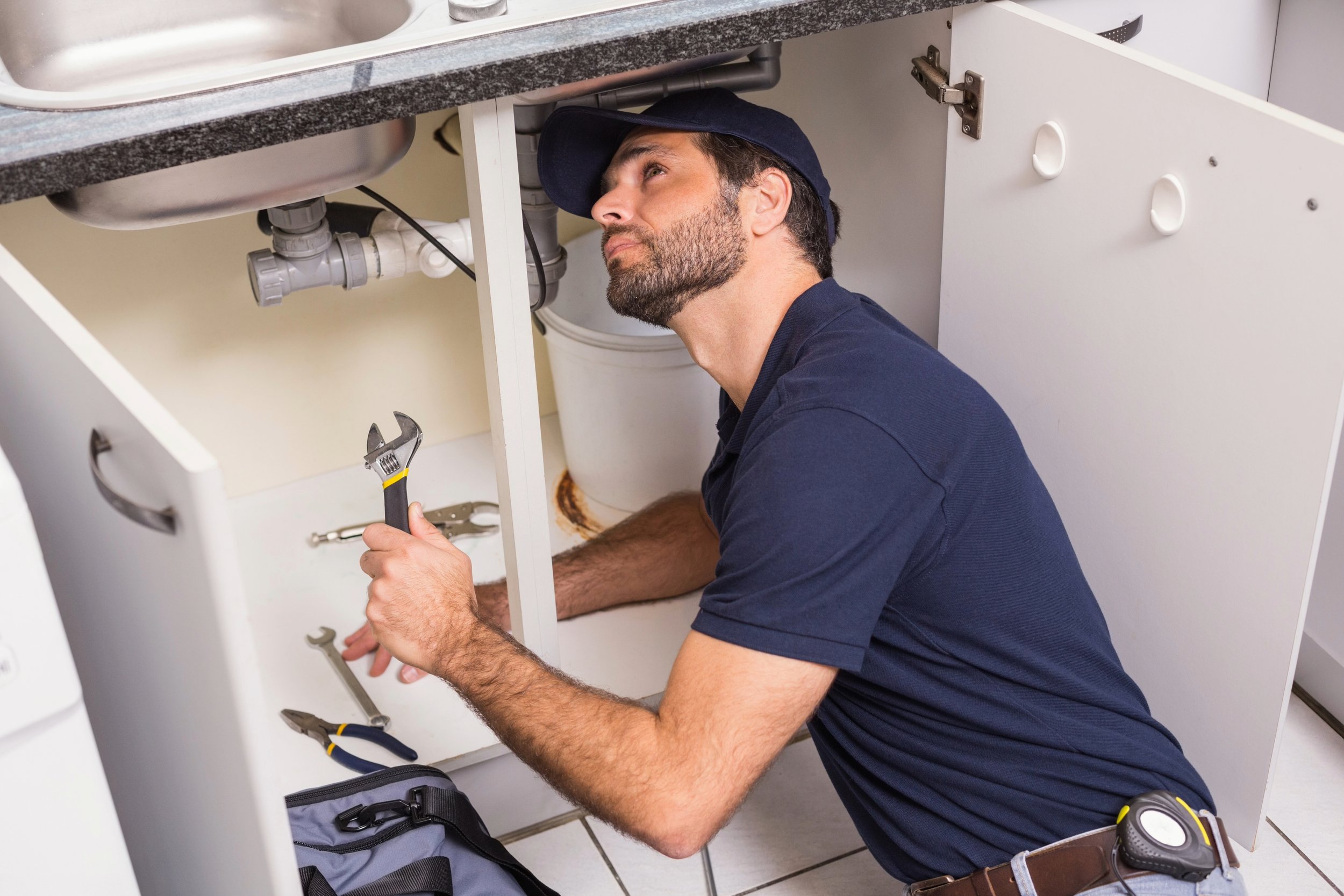
When a hard freeze is forecast for Mooresville, disconnect and drain garden hoses if you have not already, close interior shutoffs to exterior faucets where fitted, and open the exterior faucet to drain. Insulate any exposed pipe you can reach. On the coldest nights, let at-risk faucets drip slowly and open cabinet doors under sinks on exterior walls so warm room air reaches the pipes. Keep the house heated at a consistent temperature day and night during the snap rather than setting the thermostat back hard overnight, when freezes bite.
Homes left empty in winter need more: either drain the system or keep heat on with someone checking the house. Murawski Plumbing Inc handles emergency plumbing repairs in Mooresville, and the emergency calls that follow a snap are disproportionately from houses where the heat was off or a hose stayed connected and froze the bib back into the wall.
If a pipe freezes, and if one bursts
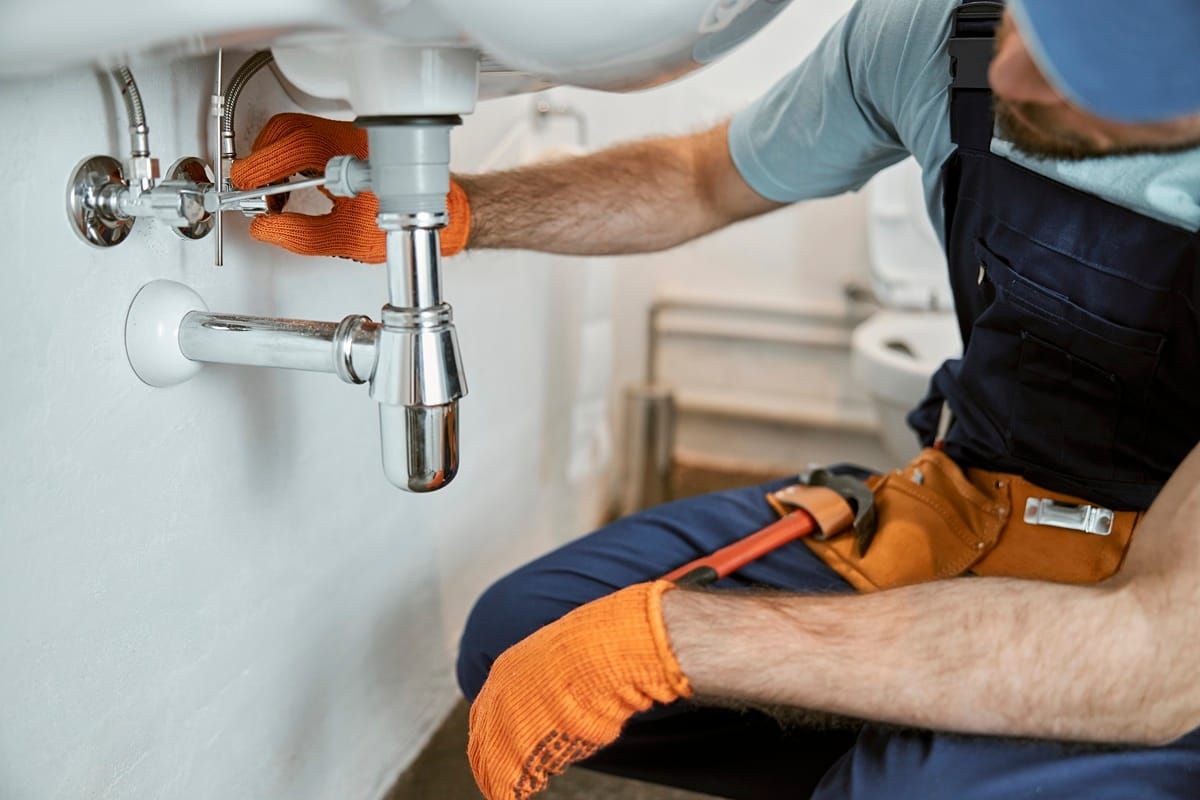
No water from one faucet on a freezing morning usually means that line is frozen. Leave the faucet open, apply gentle heat with a hair dryer or warm towels starting near the faucet and working back, and never use an open flame. If you find the break, or water starts appearing where it should not, shut off the main water supply to the house first, then open faucets to drain pressure, then assess. Knowing where your main shutoff is, and that it turns, is the single most valuable thing to check before winter. A burst pipe is a plumbing repair plus a drying problem, so moving belongings and starting drying quickly limits the secondary damage while the repair is arranged.
Insurance, documentation, and the pipes you cannot see
Two practical points round out prevention. First, photograph your insulated crawlspace and garage lines once the work is done, and keep a note of where the main shutoff and any line-specific shutoffs are. If a break does happen, those records speed both the repair and any insurance conversation that follows water damage. Second, remember the pipes you cannot reach: lines inside exterior walls benefit most from steady house heat and from keeping garage doors closed during a snap, since a garage left open can drop the temperature around shared-wall plumbing quickly. Rental homes and homes between owners deserve extra attention in this category, because nobody notices a slow leak in an empty house until it has run for days.
Common questions
At what temperature do pipes freeze?
The commonly used warning point is around 20 degrees Fahrenheit for exposed or poorly insulated pipes, but wind, duration, and pipe location matter more than a single number.
Should every faucet drip, or just some?
Focus on faucets fed by pipes in exterior walls, crawlspaces, or garages, and on the faucet furthest from the main supply. Dripping every faucet is unnecessary.
A pipe froze but did not burst. Am I in the clear?
Mostly, but inspect the line as it thaws and over the next days. Freezing can weaken a joint that fails later under normal pressure.
Photos in this guide are representative stock images.
← All guides from Murawski Plumbing Inc← Back to Murawski Plumbing Inc